Physics-based AI modeling of hollow-core fibers
Funded by: Relativity Networks Inc.
Advanced Optical Fiber Fabrication is crucial for low-loss optical fibers. By developing new fabrication techniques, we can create fibers with precisely engineered geometries and material compositions that enable lower losses, broader bandwidths, and enhanced nonlinear or sensing capabilities. The main goals of this projects are to design and fabricate next-generation fibers for high-speed data communications, ultrafast laser delivery, quantum communication, and environmental sensing — achieving higher performance, lower cost, and greater energy efficiency.
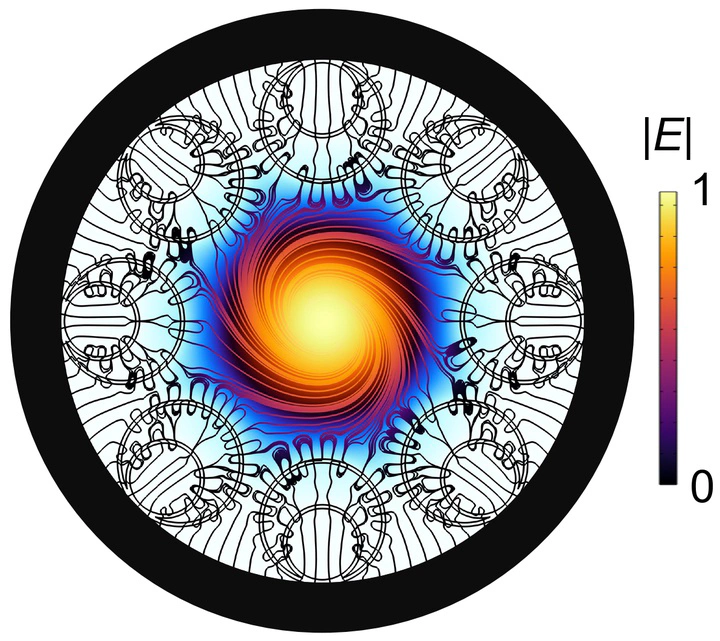
- Develop physics-informed AI models to predict light propagation in hollow-core fibers
- Create data-driven surrogate models to accelerate fiber design and optimization
- Integrate first-principles physics with machine learning to improve model accuracy and reliability
- Optimize hollow-core fiber geometries for enhanced optical performance
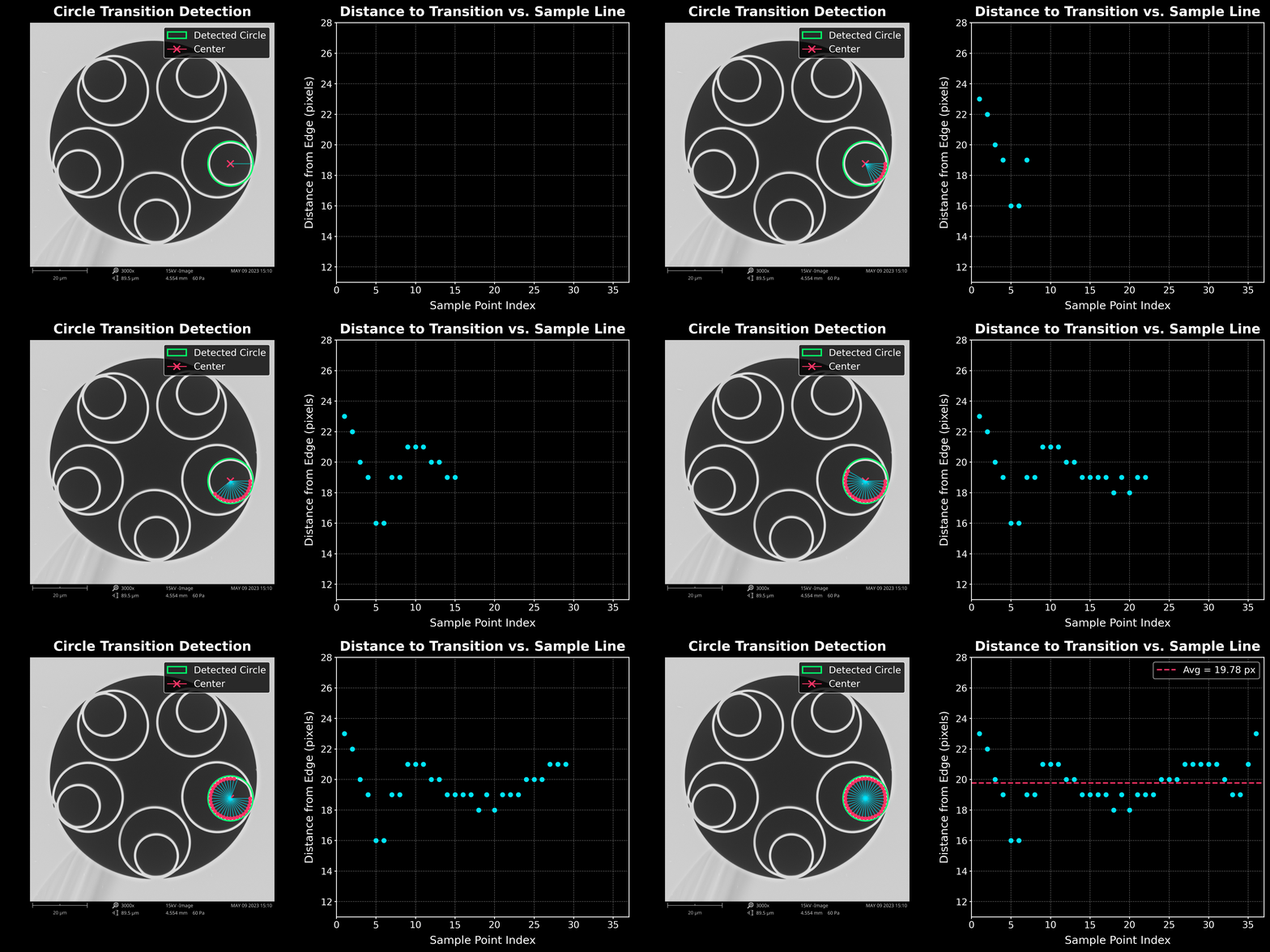
- Validate AI predictions through numerical simulations and experimental measurements
- Explore inverse design methods to discover next-generation hollow-core fiber structures
- This project is funded by Relativity Networks Inc.
You can click here to know about Relativity Networks Inc.
- This project is funded by Relativity Networks Inc.

Md Selim Habib
Assistant Professor of Electrical Engineering
Hollow-core fibers; Fiber sensors; Ultrafast nonlinear optics

Rodrigo Amezcua-Correa
Professor of Optics; CTO, Relativity Networks Inc.
Hollow-core fibers; High power fiber lasers; Optical communication